Colorectal cancer is one of the most common forms of cancer in modern society and is closely related to lifestyle and daily habits.1 Factors, such as a diet high in fats and red meat, low intake of dietary fiber, a sedentary lifestyle, smoking and excessive alcohol consumption significantly increase the risk of developing the disease.2 On the other hand, adopting a balanced diet, engaging in regular physical activity and undergoing preventative medical check-ups play a crucial role in prevention and early detection.3
Given the busy schedules of everyday life, adopting a healthier lifestyle may seem challenging. However, caring for the gut is a key element for overall health and well-being.
Below, are 7 simple daily tips that can contribute to a more balanced and healthier lifestyle, emphasizing on proper gut function. Small changes make a difference, and applying just one of these tips can have a positive impact.
Consume Dietary Fiber
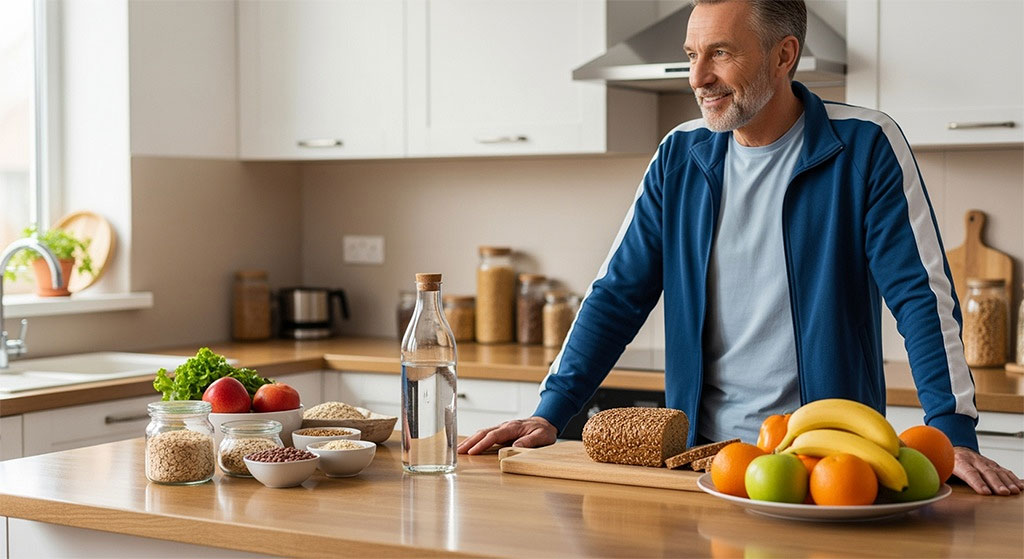
Adequate intake of dietary fiber from fruits, vegetables, and whole grains is essential. International guidelines recommend that adults should consume approximately 25-30 grams of fiber daily. Fiber supports proper gut function, facilitates digestion and metabolism, prevents constipation, and helps maintain a healthy gut microbiome.4
Engage in Daily Physical Activity
Even 30 minutes of walking per day can reduce the risk of colorectal cancer. Exercise promotes proper gut function by stimulating digestive system mobility and supporting both digestion and bowel movement.5
Stay Hydrated
According to the World Health Organization (WHO), adults should consume approximately 1.5-2 litres of water daily, depending on body weight, activity level, and environmental temperature. Adequate hydration supports digestion and proper function of the digestive system.6
Limit Rad and Processed Meat
The WHO, through the International Agency for Research on Cancer (IARC), classifies red meat as “probably carcinogenic” (Group 2A) and processed meat as “carcinogenic to humans” (Group 1). Red meat can be easily replaced different healthier alternatives such as fish, chicken, or plant-based proteins.7
Avoid Smoking
Smoking increases the risk of many types of cancer, including colorectal cancer.
Moderate Alcohol Consumption
Excessive alcohol intake is linked to a higher risk of colorectal cancer. Responsible and limited consumption is recommended.3
Preventative Screening
Screening for colorectal cancer can help reduce the risk of the disease. It allows for early detection and removal of precancerous lesions, and timely treatment of any existing abnormalities become these become serious. Learn about your screening options and talk to a healthcare professional to find the best approach for you.8
References:
1. Morgan E, Arnold M, Sexton R, Giacometti S, Laversanne M, Bray F. Global burden of colorectal cancer in 2020 and 2040: incidence and mortality estimates from GLOBOCAN. Gut. 2023;72(2):338–344.
- Song M, Giovannucci E. Lifestyle factors and colorectal cancer incidence and mortality. Gastroenterology. 2016;150(3):514–528.
- World Cancer Research Fund, American Institute for Cancer Research. Diet, nutrition, physical activity and colorectal cancer [Internet]. London: WCRF/AICR; 2018 [cited 2026 Feb 9]. Available from: https://www.wcrf.org
- European Food Safety Authority. Scientific opinion on dietary reference values for carbohydrates and dietary fibre. EFSA Journal. 2010;8(3):1462.
- World Cancer Research Fund, American Institute for Cancer Research. Physical activity and the risk of colorectal cancer [Internet]. London: WCRF/AICR; 2018 [cited 2026 Feb 9]. Available from: https://www.wcrf.org
- World Health Organization. Water, hydration and health [Internet]. Geneva: WHO; 2019 [cited 2026 Feb 9]. Available from: https://www.who.int
- International Agency for Research on Cancer. Red meat and processed meat [Internet]. Lyon: IARC; 2015 [cited 2026 Feb 9]. Available from: https://www.iarc.who.int
- World Health Organization. Screening for colorectal cancer [Internet]. Geneva: WHO; 2023 [cited 2026 Feb 9]. Available from: https://www.who.int